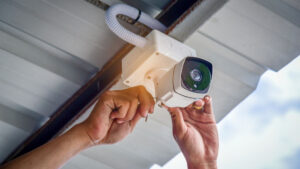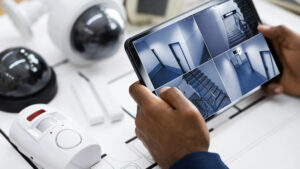
Installing security cameras in Qatar involves more than purchasing equipment and mounting it on a wall. Whether you own a villa in Doha, operate a shop in West Bay or manage a warehouse in the Industrial Area, it is important to understand the applicable regulations before arranging CCTV installation. Choosing an unsuitable installer can lead to compliance issues, additional costs and problems during inspection.
WeFour provides ELV and security solutions for properties with different communication, surveillance and infrastructure requirements. If you are planning CCTV installation in Qatar, working with an experienced provider can help you assess your property’s needs, plan camera coverage, select suitable equipment and understand the approval and installation requirements applicable to your project.
So, who can install CCTV in Qatar? For premises subject to Qatar’s security camera regulations, installation should be handled by a company licensed and approved by the Ministry of Interior (MoI) through the relevant Security Systems Department. However, the precise requirements depend on the property type, its use and the applicable rules. This guide explains how to check an installer, understand the regulatory process and choose a suitable CCTV service provider.
Who Is Allowed to Install CCTV in Qatar?
The Ministry of Interior has advised residents and businesses to use government-licensed and approved companies for surveillance camera installation. The Security Systems Department (SSD) oversees relevant security system requirements, including the approval and regulation of CCTV installations.
In April 2026, the Ministry reportedly published a list of 162 approved companies. Because approved-company lists can change, verify the latest official list before entering into a contract rather than relying on an older directory or advertisement.
In practical terms, consider the following before hiring an installer:
- Check the company’s approval: Confirm that the company is listed or authorised for the relevant security system work.
- Do not rely on general electrical experience alone: A general electrician or handyman may not have the specific licensing or approval needed for regulated CCTV installations.
- Verify the complete scope: Ask whether the company handles system design, installation, testing, documentation and any required authority approvals.
- Confirm responsibilities in writing: Establish who will arrange inspections, submit documents and address any issues identified by the relevant authority.
A company selling cameras is not necessarily authorised to install them in regulated premises. Equipment supply and compliant installation are separate considerations.
Why Does Qatar Regulate CCTV Installation?
CCTV regulation helps address several important concerns relating to public safety, privacy and system reliability.
1. Security and Public Safety
Properly installed surveillance systems can help deter certain incidents and provide recordings that may assist investigations into theft, vandalism or unauthorised access.
Camera placement, image quality, lighting and recording capacity all influence how useful a surveillance system will be. In regulated premises, the installation must also meet the applicable technical requirements.
2. Privacy Protection
Surveillance cameras should not be placed where they improperly intrude on people’s privacy. Qatar’s legal framework restricts surveillance in specified private or sensitive areas, including locations such as toilets and changing rooms.
Property owners should carefully plan camera views to avoid capturing private spaces unnecessarily. Where neighbouring properties or public areas could appear in the footage, camera positioning and privacy controls should be considered as part of the design.
3. Cybersecurity
Connected CCTV cameras can create security risks if they use weak passwords, outdated software or improperly configured remote access.
A competent installer should configure appropriate authentication, change default credentials, update supported equipment and secure remote viewing. Property owners should also receive clear instructions for maintaining the system securely after installation.
What Does Qatar’s CCTV Law Require?
CCTV use in Qatar is governed by Law No. 9 of 2011 concerning the use of security cameras and monitoring devices, together with applicable regulations and requirements issued by the relevant authorities.
The requirements depend on the premises and the applicable provisions. Important considerations include the following.
Mandatory CCTV for Certain Premises
The law establishes surveillance requirements for specified categories of premises. These may include certain residential compounds, healthcare facilities, shopping centres, banks, hotels and warehouses, among other locations.
Owners and operators should confirm whether their specific property or business category falls within the applicable requirements. Do not assume that every premises has identical obligations.
Recording Retention
A 30-day recording-retention period is a key requirement associated with regulated CCTV installations. Where this requirement applies, the recording equipment must have enough storage capacity to retain footage for the prescribed period.
Actual storage needs depend on the number of cameras, image resolution, frame rate, recording schedule and compression settings. Ask the installer to document the proposed storage capacity and retention calculation.
CCTV Signage
Applicable rules may require premises to display notices informing people that surveillance cameras are operating. Signage should be positioned so that it can be seen by people entering or using the monitored premises.
Approved Technical Specifications
Regulated installations must follow the relevant technical specifications and requirements. These can affect camera selection, recording equipment, placement, coverage and installation procedures.
Restricted Areas
Cameras must not be installed in prohibited private or sensitive locations, such as specified toilet and changing-room areas. The exact restrictions should be checked against the applicable legal requirements.
Important: Before beginning a project, confirm the current requirements with the Security Systems Department or the relevant authority. This is particularly important for specialised premises, including healthcare facilities, where additional technical or sector-specific requirements may apply.
The CCTV Approval Process in Qatar
The process varies according to the property, the nature of the installation and the applicable approval requirements. For regulated premises, the process commonly involves the following stages.
1. Site Survey
The installer assesses the premises, identifies vulnerable areas and determines suitable camera positions. The survey should consider entrances, exits, reception areas, parking spaces and other locations relevant to the property’s security requirements.
2. System Design and Equipment Selection
The company develops a suitable design covering cameras, recording equipment, storage, cabling and network connectivity. Where authority specifications apply, the proposed equipment and design should be checked against them before installation proceeds.
3. Required Approvals and Documentation
The relevant approval requirements should be confirmed before equipment is imported or installed. Depending on the project, documentation or permission from the Security Systems Department may be necessary.
Ask the contractor which approvals apply, who will submit the documents and whether any additional fees or inspections are included in the quotation.
4. Installation and Configuration
Once the necessary prerequisites are satisfied, the installation can proceed according to the approved design and applicable requirements.
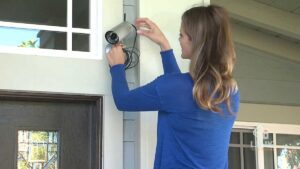
The work may include mounting cameras, routing cables, configuring recorders, setting up secure network access and testing image quality and recording functionality.
5. Inspection and Completion Documents
Where required, the installation may need to be inspected or verified by the relevant authority, and the appropriate completion certificate or documentation obtained.
A professional contractor should explain the handover process and provide the documents applicable to the project. Do not assume that every installation follows an identical approval sequence.
What Happens If You Use an Unlicensed CCTV Installer?
Using a company that lacks the required authorisation can create compliance and operational problems, particularly for regulated premises.
Potential consequences include:
- Delays while the installation is reviewed or corrected.
- Additional costs if equipment or camera positions do not meet applicable requirements.
- Problems obtaining required inspection or completion documents.
- Weak recording performance or insufficient storage.
- Cybersecurity vulnerabilities and inadequate after-sales support.
Qatar’s Law No. 9 of 2011 establishes penalties for specified violations, which may include imprisonment, financial fines and consequences affecting business operations or licensing. The applicable penalty depends on the offence and relevant legal provisions.
Figures such as imprisonment of up to three years or fines of up to QAR 50,000 should be verified against the current official legal text before being presented as applicable to a particular violation. Not every installation mistake necessarily carries the same penalty.
For businesses, the practical lesson is straightforward: verify the installer’s authorisation, clarify the applicable requirements and retain all relevant project documentation.
Do Homeowners Need a Licensed CCTV Installer Too?
Homeowners should distinguish between the requirements that apply to their particular property and the rules governing regulated commercial or institutional premises.
A private villa may not have the same obligations as a hotel, warehouse, shopping centre or other premises specifically covered by CCTV regulations. Requirements can depend on the property type, intended use and applicable authority guidance.
Nevertheless, using a properly licensed and approved security systems company is a sensible way to assess the installation, protect privacy and avoid preventable technical problems.
Before installing cameras at home, consider:
- Whether any specific approval or installation requirements apply to your property.
- Whether the camera views intrude on neighbours’ privacy or capture sensitive areas.
- How recordings will be stored and who will have access to them.
- Whether remote viewing is protected by strong authentication.
- Whether the chosen installer can provide warranty and maintenance support.
If you are uncertain about your obligations, contact the Security Systems Department for guidance relevant to your property.
How to Choose a Licensed CCTV Installer in Qatar
When comparing companies offering CCTV installation in Doha and elsewhere in Qatar, use the following checklist.
1. Verify the MoI Listing
Check the company’s status against the latest official list of approved security companies. Ask for its relevant licence or approval details and verify that they cover the proposed work.
2. Confirm Who Handles Approvals
Ask whether the installer will manage the required submissions, inspections and completion documentation. Make sure responsibilities are clearly stated in the contract.
3. Review the Equipment Specifications
Check camera resolution, low-light performance, recording equipment, storage capacity and compatibility. Equipment should be selected according to the property’s needs and applicable technical requirements.
4. Check Recording Storage
Where a 30-day retention requirement applies, confirm that the proposed recorder or storage system can support the required period. Request a clear explanation of the assumptions used in the storage calculation.
5. Ask About Cybersecurity
The installer should configure secure accounts, change default passwords, enable appropriate security settings and explain how to access the system remotely without exposing it unnecessarily to the internet.
6. Obtain Warranty Details in Writing
Review the warranty period, equipment coverage, labour charges, exclusions and process for reporting faults. Confirm whether manufacturer warranties are included.
7. Discuss Annual Maintenance Contracts
An Annual Maintenance Contract (AMC) can provide scheduled inspections and support for faults. Depending on the agreement, maintenance may cover camera cleaning, recording checks, storage monitoring, connection testing and troubleshooting.
Confirm whether replacement parts, emergency visits and software updates are included or charged separately.
8. Compare Quotations Fairly
A lower quotation may exclude essential components or services. Compare camera models, storage, cabling, installation, approval-related work, testing, warranties and maintenance on a like-for-like basis.
Beyond CCTV: One Provider for Your Complete Security System
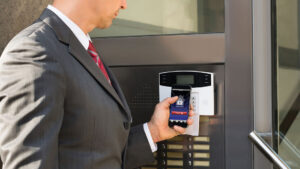
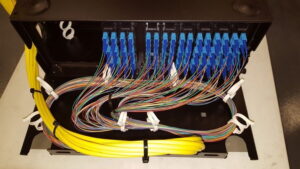
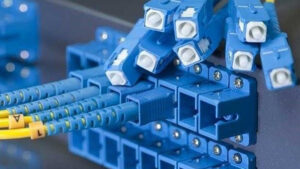
CCTV often forms part of a wider Extra Low Voltage (ELV) installation. Depending on the building, the project may also require structured cabling, fiber-optic connectivity, access control, attendance systems and network infrastructure.
Working with an ELV provider that can coordinate compatible systems may simplify project management and reduce integration problems. For example, CCTV and access control can sometimes be integrated so that authorised staff can review relevant recordings associated with access events.
However, integration should be planned around the actual equipment, security requirements and operational needs. Confirm which services the provider delivers directly and which require specialist partners.
For businesses and property owners, coordinated design, clear documentation and dependable after-sales support can make the complete system easier to maintain.
Contact WeFour
📍 Office No. 5, Bank Street, West Bay, Doha, Qatar
📞 +974 3146 4818 / +974 3013 6314
Contact WeFour by phone, email, or website to discuss your CCTV installation requirements in Qatar.
Frequently Asked Questions
For premises subject to the relevant CCTV regulations, installation should be carried out by a company with the required licensing and approval from the Ministry of Interior. Verify the company’s current authorisation and confirm the requirements that apply to your property before hiring it.
Requirements depend on the property and applicable regulations. For regulated business premises, using an appropriately approved installer is important for compliance and any required approvals or inspection documents. Homeowners should confirm the rules applicable to their specific property before proceeding with a DIY installation.
Check the Ministry of Interior’s official website and the relevant Security Systems Department resources for the latest approved-company information. Do not rely solely on old lists, advertisements or a contractor’s claims. Verify the company’s current status before signing a contract.
A 30-day retention period is associated with Qatar’s CCTV requirements for regulated installations. Confirm how the requirement applies to your premises and ensure the selected storage equipment can retain the necessary footage under the intended recording settings.
Surveillance is restricted in specified private or sensitive areas, including locations such as toilets and changing rooms. Camera placement should respect privacy and comply with the applicable rules. Consult the relevant authority if the proposed installation involves a sensitive or unusual location.