Knowing who enters your building, when they enter, and which areas they can access is essential for maintaining commercial security. For businesses in Qatar, choosing the right access control system helps prevent unauthorized entry, protect valuable assets, manage employee access, and improve overall building security. The ideal solution depends on the building type, number of users, security requirements, and integration with existing CCTV and alarm systems.
WeFour provides professional access control and integrated security solutions in Qatar, helping businesses implement reliable entry management systems for offices, commercial buildings, and other facilities. From biometric access control and card-based entry systems to CCTV integration, structured cabling, and other ELV solutions, WeFour supports businesses in developing coordinated security infrastructure.
Whether you manage an office, corporate tower, warehouse, hospital, or multi-tenant commercial property, investing in the right door access control system can improve security while making everyday access management easier.
What Is an Access Control System?
An access control system is an electronic security solution that manages who can enter a building or restricted area. It verifies a person’s credentials before allowing access through a controlled door, gate, turnstile, or other entry point.
Unlike traditional keys, electronic access credentials can be issued, modified, or deactivated without replacing physical locks in many system configurations.
A typical commercial access control system includes the following components:
- Credentials: Access cards, key fobs, mobile credentials, PINs, or biometric information used to identify users.
- Readers: Devices installed near doors that read and verify credentials.
- Controllers: Electronic units that process access permissions and control door locking hardware.
- Electric Locks: Magnetic locks, electric strikes, or motorized locking mechanisms.
- Management Software: A centralized platform for managing users, permissions, schedules, and access reports.
- Accessories: Exit buttons, door contacts, emergency release units, and video intercom systems.
Together, these components provide centralized control over building entry and restricted areas.
What Are the Main Types of Commercial Access Control Systems?
Different businesses require different levels of access security. Understanding the available technologies helps you select an appropriate solution.
1. Card and Key Fob Access Control Systems
Card-based access control is one of the most widely used solutions in commercial offices and buildings.
Employees receive access cards or key fobs that allow them to enter authorized areas by presenting their credentials to a reader.
Key benefits include:
- Simple and convenient access.
- Easy management of employee permissions.
- Quick deactivation of lost or expired credentials.
- Support for employee attendance integration.
- Suitable for offices and multi-user environments.
For new installations, consider encrypted smart card technologies such as MIFARE DESFire or compatible HID credentials rather than basic 125 kHz proximity cards, which offer weaker protection against cloning.
2. Biometric Access Control Systems
Biometric access control verifies identity using unique physical characteristics.
Common technologies include:
- Fingerprint recognition.
- Facial recognition.
- Iris recognition.
- Palm recognition.
Advantages include:
- Reduced dependence on physical access cards.
- Improved identity verification.
- Suitable for restricted and sensitive areas.
- Integration with attendance management systems.
- Reduced risks associated with shared credentials.
Biometric access is particularly useful in server rooms, laboratories, data centres, financial facilities, and other restricted environments.
However, biometric information requires careful handling. Businesses should consider privacy, security, retention, and applicable data protection obligations when implementing these systems in Qatar.
3. Mobile Access Control Systems
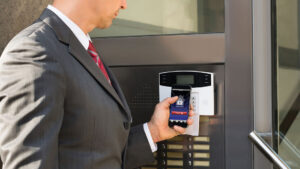
Mobile access control allows authorized users to unlock doors using smartphones.
Depending on the system, credentials may be transmitted through Bluetooth, NFC, or other supported technologies.
Benefits include:
- Convenient smartphone-based entry.
- Reduced dependence on physical cards.
- Easier credential issuance and revocation.
- Useful for multi-tenant buildings.
- Centralized user management.
Mobile credentials require compatible readers, secure authentication, and appropriate policies for lost or replaced devices.
4. PIN and Keypad Access Control Systems
Keypad access control systems require users to enter a predefined PIN to unlock a door.
They are relatively simple to install and can be useful for smaller offices, staff entrances, and selected restricted areas.
However, PIN codes can be shared or disclosed. For sensitive locations, combining a PIN with a card or biometric credential provides stronger access protection.
5. Multi-Factor Access Control Systems
Multi-factor access control requires users to verify their identity using two or more credentials.
For example, an employee may need to present an access card and complete fingerprint verification before entering a restricted area.
These systems are useful for:
- Data centres.
- Server rooms.
- Financial facilities.
- Control rooms.
- Restricted storage areas.
- Critical infrastructure facilities.
The appropriate authentication combination depends on the sensitivity of the area and the organization’s security policy.
IP-Based vs. Traditional Access Control Systems
Commercial access control solutions are available in standalone, networked, and cloud-managed configurations.
IP-Based Access Control Systems
IP-based access control connects door controllers and management platforms through a network.
It provides several advantages:
- Centralized management across multiple doors and buildings.
- Remote user and permission management.
- Real-time access event monitoring.
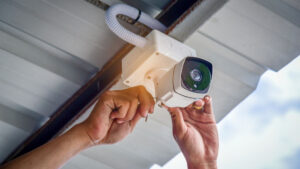
- Integration with CCTV and other security platforms.
- Easier expansion across multiple locations.
- Support for centralized reporting and administration.
Traditional Standalone Access Control Systems
Standalone systems manage access through individual controllers or limited local configurations.
They can be suitable for smaller premises with a limited number of doors and straightforward access requirements.
However, managing multiple doors or locations may become more complicated as the organization grows.
Which Should Businesses Choose?
For most medium-sized and large commercial buildings, networked IP-based access control offers greater flexibility and centralized management.
The installation should include secure network configurations, suitable structured cabling, backup power, and controllers capable of maintaining appropriate door operation during network interruptions.
What Features Should You Look for in a Commercial Access Control System?
Before selecting an access control solution, evaluate the following features.
1. Scalability
The system should support additional doors, users, readers, and locations as your business expands.
2. Integration with Other Security Systems
Look for compatibility with:
- CCTV surveillance systems.
- Intrusion detection and alarm systems.
- Fire alarm systems.
- Visitor management platforms.
- Building management systems.
- Time and attendance software.
3. Role-Based Access Permissions
Administrators should be able to assign access permissions according to employee roles, departments, working hours, and restricted areas.
4. Audit Trails and Reporting
Access logs help businesses review entry attempts, investigate incidents, and monitor access activity.
5. Anti-Passback and Tailgating Detection
Anti-passback prevents credentials from being reused improperly without the corresponding exit event.
Tailgating detection uses suitable sensors, turnstiles, or video analytics to identify unauthorized entry behind an authorized person.
6. Visitor Management
Visitor management features help businesses register guests, issue temporary credentials, notify employees, and monitor visitor access.
7. Fire and Life Safety Integration
Access control systems must be designed to work with the building’s fire and emergency procedures.
Door locking arrangements should comply with applicable fire safety requirements and ensure that occupants can exit safely during emergencies.
8. Offline Operation
Controllers should have suitable local processing capabilities to maintain defined access operations if the network connection or central management server becomes unavailable.
9. Cybersecurity
Choose systems with secure authentication, encrypted communication, role-based administrator access, firmware updates, and proper credential management.
10. Backup Power
UPS systems and suitable battery backup help maintain access control operations during power interruptions.
Which Access Control System Is Best for Different Commercial Buildings?
Different facilities have different security requirements.
| Building Type | Recommended Access Control Solution |
| Small and medium offices | Card-based or mobile access control |
| Corporate towers | Networked access control with centralized management |
| Multi-tenant buildings | Mobile credentials, visitor management, and lift integration |
| Data centres | Multi-factor biometric and card authentication |
| Hospitals and clinics | Zoned access with emergency and fire system integration |
| Warehouses | Rugged access readers and vehicle entry integration |
| Retail stores and malls | Staff access control with CCTV integration |
| Industrial facilities | Networked access with restricted-zone management |
A professional site survey can help identify the appropriate number of access points, reader locations, locking mechanisms, and security levels.
Access Control System Installation in Qatar: Important Considerations
Businesses planning access control system installation in Qatar should consider local environmental conditions, safety requirements, privacy obligations, and project specifications.
1. Climate and Environmental Conditions
Outdoor access readers and controllers must withstand Qatar’s high temperatures, humidity, and dust.
For external installations, consider:
- IP65 or higher ingress protection where appropriate.
- Suitable operating temperature ranges.
- Weather-resistant enclosures.
- IK-rated protection where vandal resistance is required.
- Appropriate installation locations and mounting arrangements.
2. Fire Safety and Emergency Exit Requirements
Access control installations must not compromise emergency evacuation.
Door hardware, electromagnetic locks, electric strikes, and emergency release devices should be selected and configured according to the applicable building and fire safety requirements.
Ensure the system is properly integrated with relevant fire alarm and emergency release arrangements.
3. Regulatory and Building Requirements
Commercial access control projects may be subject to building-owner specifications, project approvals, and applicable authority requirements.
Requirements can vary according to the type of facility, project, and security application.
Businesses should confirm relevant requirements with the building management, consultants, and applicable authorities before installation, particularly for government-related facilities and critical infrastructure projects.
4. Data Privacy and Biometric Information
Access control platforms may collect employee information, visitor details, access logs, and biometric data.
Businesses should consider Qatar’s Personal Data Privacy Protection Law No. 13 of 2016 when collecting and processing personal information.
Important considerations include:
- Establishing a clear purpose for data collection.
- Limiting access to personal information.
- Protecting stored biometric information.
- Applying suitable retention policies.
- Securing access logs and user databases.
- Following applicable requirements for handling personal data.
5. Multilingual User Interfaces
Qatar has a diverse workforce, so systems supporting English and Arabic interfaces can improve usability for administrators, employees, and visitors.
6. Integration with Existing Business Systems
Some commercial projects require integration with attendance software, HR platforms, visitor management, CCTV, and other building technologies.
Confirm compatibility before selecting the hardware and software.
What Does Professional Access Control System Installation Involve?
A professional installation generally follows a structured process to ensure the system works correctly and meets the building’s security requirements.
Step 1: Site Survey and Security Assessment
The installation team evaluates the building layout, entrance points, restricted areas, user groups, and security requirements.
Step 2: System Design and Equipment Selection
The provider selects suitable access readers, controllers, credentials, locking hardware, and management software.
Step 3: Cabling and Infrastructure Preparation
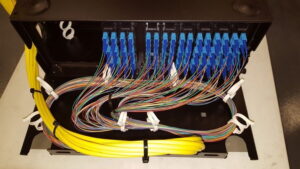
Structured cabling, power supplies, network connections, and equipment enclosures are prepared for the installation.
Step 4: Hardware Installation
Readers, controllers, electric locks, exit buttons, and other components are installed at the designated locations.
Step 5: Configuration and Integration
User permissions, access schedules, door settings, and connections with CCTV or other security systems are configured.
Step 6: Testing and Commissioning
The installation team tests access permissions, door operation, emergency release functions, backup power, and system integration.
Step 7: Training and Documentation
Administrators receive training, and the provider hands over system documentation, configuration information, and operating instructions.
Step 8: Maintenance and Support
Regular inspections, software updates, database backups, and hardware testing help maintain system reliability.
How to Choose the Right Access Control Companies in Qatar
Choosing an experienced installation provider is essential for getting the most from your investment.
When comparing access control companies in Qatar, consider the following:
- Commercial project experience: Look for experience with facilities similar to yours.
- Manufacturer partnerships: Check whether the provider works with established access control manufacturers.
- Technical expertise: Confirm that the company can handle design, installation, configuration, and integration.
- Infrastructure capabilities: Look for experience with structured cabling, networking, and ELV systems.
- Transparent quotations: Ensure the proposal lists hardware models, software licenses, installation scope, and exclusions.
- After-sales support: Review warranty coverage, maintenance options, and technical response times.
- Regulatory awareness: Confirm that the provider understands applicable Qatar building, privacy, and life safety requirements.
- Project references: Request examples of completed commercial installations.
Common Access Control Installation Mistakes to Avoid
Even high-quality access control equipment can create security problems if the system is poorly planned.
Avoid these common mistakes:
- Selecting outdated access cards with weak encryption.
- Using biometric technology without considering privacy requirements.
- Ignoring fire and emergency exit arrangements.
- Underestimating cabling and backup power requirements.
- Failing to plan for additional doors and users.
- Leaving default administrator passwords unchanged.
- Providing excessive access permissions.
- Neglecting employee training.
- Failing to deactivate credentials when employees leave.
- Skipping regular maintenance and database backups.
So, What Is the Best Access Control System for Commercial Buildings in Qatar?
There is no single access control solution suitable for every commercial building.
However, for most medium-sized and large commercial properties in Qatar, a networked IP-based access control system with encrypted smart cards or mobile credentials offers a practical combination of security, convenience, and scalability.
For sensitive areas such as server rooms, data centres, and restricted storage facilities, biometric verification or multi-factor authentication can provide additional identity assurance.
Integrating access control with CCTV, fire alarm systems, visitor management, and structured cabling can create a more coordinated security environment.
The most suitable system ultimately depends on your building layout, operational requirements, budget, and applicable safety and regulatory obligations.
Why Choose WeFour for Access Control Solutions in Qatar?
Choosing an experienced security technology provider is important for ensuring reliable access management and long-term system performance.
WeFour provides access control and integrated technology solutions for businesses in Qatar, supporting commercial security and infrastructure requirements.
Its service offerings include access control, CCTV installation, structured cabling, fiber optic networking, and other ELV solutions.
By coordinating access control with surveillance and network infrastructure, WeFour helps businesses develop integrated security environments suited to their operational requirements.
Whether you are securing an office, upgrading an existing entry management system, or planning access control for a new commercial building, discuss your project requirements with WeFour.
Explore WeFour’s access control solutions