The CCTV installation process in Qatar generally involves choosing a licensed security systems contractor, conducting a site survey, preparing CCTV drawings and equipment specifications, obtaining the required approval from the MOI Security Systems Department, installing the system according to applicable requirements, testing the equipment, requesting inspection, and obtaining the relevant certificate of conformity. For facilities covered by Qatar’s CCTV law, recordings must be retained for 120 days. Requirements can vary depending on the property type and current MOI specifications, so the applicable requirements should be confirmed before installation.
Planning a CCTV installation in Qatar? WeFour helps businesses, warehouses, retail stores, offices, schools, residential properties, and commercial facilities with CCTV site surveys, system design, installation, maintenance, and coordination of the applicable MOI approval and inspection process. Our team can assess your property, recommend a suitable CCTV solution, and help you understand the requirements applicable to your project.
Who Needs CCTV in Qatar?
Qatar’s Law No. 9 of 2011 regulates the use of security and surveillance cameras and identifies several categories of facilities that are required to use CCTV systems.
These include certain:
- Hotels and hotel apartments
- Residential complexes
- Banks and financial facilities
- Exchange houses
- Gold and jewellery shops
- Shopping malls and commercial facilities
- Entertainment and leisure facilities
- Hospitals and clinics
- Warehouses and stores
- Other facilities covered by applicable decisions and regulations
The competent authority can determine the locations, installation points, and number of cameras required for covered facilities.
Because requirements can depend on the type of property, owners should confirm the applicable CCTV requirements before beginning a project.
CCTV Installation Process in Qatar: Step by Step
Step 1: Choose a Licensed CCTV Contractor
The first step is to choose a company licensed by the MOI Security Systems Department for the relevant security-system work.
The MOI publishes information about companies licensed by the Security Systems Department. Working with an appropriately licensed contractor helps ensure that the CCTV design, equipment, installation, and compliance process follows the applicable requirements.
Before appointing a contractor, property owners should consider:
- Company licensing or approval status
- Relevant project experience
- Technical capabilities
- Installation and maintenance services
- Ability to coordinate the applicable approval and inspection process
Step 2: Conduct a CCTV Site Survey
A professional CCTV installation starts with a detailed site survey. The contractor evaluates the property to determine suitable camera locations, viewing angles, coverage areas, and infrastructure requirements.
The survey typically considers:
- Main entrances and exits
- Parking areas
- Building entrances
- High-risk or sensitive areas
- Potential blind spots
- Camera mounting locations
- Required viewing angles
- Cabling routes
- Recording equipment location
- Control-room requirements
- Power and backup requirements
A detailed site survey helps ensure that the CCTV system is designed around the actual property rather than using a generic camera layout.
Step 3: Prepare CCTV Drawings and Design
After completing the site survey, the contractor prepares the CCTV system design and required technical drawings.
Depending on the project, the documentation may include:
- Camera locations
- Camera coverage areas
- Camera types and specifications
- Recording equipment
- Storage requirements
- Network and cabling layout
- Control-room arrangement
- Equipment schedule
- Quantity and location of devices
The MOI Security Systems Department provides technical resources relating to CCTV and security systems, including a General Specification for CCTV. The design should therefore be prepared according to the current requirements applicable to the specific project.
Step 4: Submit the Design for MOI Approval
Where MOI approval is required, the contractor submits the relevant CCTV drawings and supporting documentation through the applicable Security Systems Department process.
The submission may include:
- Project authorization or contract documentation
- CCTV layout drawings
- Equipment specifications
- Equipment schedules
- Other documents required for the project
The Security Systems Department reviews the proposed system against the applicable requirements. If changes are requested, the contractor updates the drawings or documentation and follows the required resubmission process.
The exact submission requirements can vary according to the type and scope of the project.
Step 5: Select Compliant CCTV Equipment
CCTV equipment should be selected according to the current technical specifications applicable to the project.
Equipment may include:
- CCTV cameras
- Network video recorders (NVRs)
- Storage drives
- Network switches
- Monitors
- UPS systems
- Racks and accessories
- Structured cabling
- Other required security-system equipment
The MOI Security Systems Department provides information relating to CCTV specifications and approved companies. Equipment should therefore be checked against the current applicable requirements before procurement.
Selecting equipment based only on price or camera resolution can create problems if the equipment does not meet the requirements of the project.
Step 6: Install the CCTV System
After the required design and approval process is completed, the contractor carries out the physical installation.
This can include:
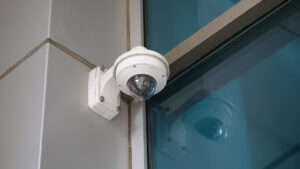
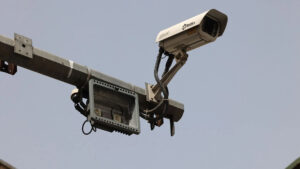
- Mounting CCTV cameras
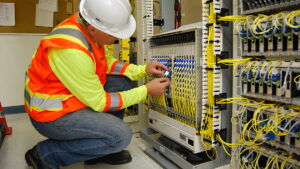
- Installing network and power cabling
- Setting up NVRs or other recording equipment
- Installing storage
- Configuring cameras
- Setting up monitoring equipment
- Configuring recording settings
- Testing the system
The installation should follow the approved design and applicable requirements. Changes to camera locations, equipment, or system specifications may need to be reviewed through the appropriate process.
Step 7: Test the CCTV System
Before requesting inspection, the contractor should test the complete CCTV system to identify technical issues.
Testing may include:
- Camera image quality
- Day and night performance
- Recording functionality
- Playback
- Storage capacity
- Network connectivity
- Camera coverage
- Power backup
- Monitoring equipment
- System operation
Completing internal testing before inspection can help identify problems early and reduce the risk of unnecessary delays.
Step 8: Request CCTV Inspection
Once installation and testing are complete, the contractor follows the applicable process to request inspection.
The MOI Security Systems Department has inspection responsibilities related to security systems and CCTV installations. During inspection, the system may be checked against the applicable technical requirements and approved design.
Inspection can involve checking:
- Camera locations
- Image quality
- Coverage
- Recording functionality
- Storage
- Equipment installation
- Control-room arrangements
- General system compliance
If issues are identified, the contractor may need to correct them and complete the applicable follow-up process.
Step 9: Obtain the Certificate of Conformity
Once the CCTV system meets the applicable requirements and completes the required inspection process, the relevant conformity documentation can be issued.
The MOI Security Systems Department provides a certificate-of-conformity function for the specifications of security cameras and surveillance devices installed in establishments.
The exact documentation and process can depend on the project and applicable requirements.
CCTV Recording Requirements in Qatar
For facilities covered by Qatar’s Law No. 9 of 2011, CCTV recordings must be retained for 120 days. The law also states that recordings must not be altered and must be provided to the competent department when requested.
Storage capacity should therefore be calculated during the design stage based on factors such as:
- Number of cameras
- Camera resolution
- Frame rate
- Recording mode
- Compression
- Required retention period
- Other system settings
A professional CCTV contractor can calculate the appropriate storage capacity for the project.
CCTV Camera Placement Requirements in Qatar
CCTV camera placement should be planned carefully according to the property, security requirements, and applicable regulations.
Qatar’s CCTV law gives the competent authority the power to determine the places, points, and number of surveillance cameras and devices in covered installations and public places.
The law also requires covered facilities to display a prominent sign indicating that the location is equipped with surveillance cameras.
There are restrictions on installing cameras in certain privacy-sensitive areas. CCTV designs should therefore take both security coverage and privacy requirements into account.
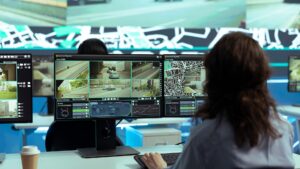
CCTV Control Room Requirements
For facilities covered by the applicable CCTV regulations, the system is not simply about installing cameras and recording equipment.
Qatar’s CCTV law includes operational requirements relating to surveillance systems and control rooms. The control-room arrangement should therefore be considered during the design stage where applicable.
The exact requirements can depend on the facility type and current technical specifications.
CCTV Maintenance in Qatar
CCTV compliance does not necessarily end after the initial installation and inspection.
Qatar’s CCTV law requires covered facilities to continuously maintain and modernise their surveillance cameras and devices to ensure continued performance and conformity with the applicable technical specifications.
The MOI Security Systems Department also provides maintenance contract guidelines for security systems.
Regular maintenance can help identify:
- Camera failures
- Recording problems
- Storage issues
- Network faults
- Damaged cables
- Power-backup problems
- Poor image quality
Keeping the CCTV system properly maintained helps ensure that it remains operational when needed and supports continued compliance with applicable requirements.
How Long Does CCTV Installation Take in Qatar?
The total CCTV installation timeline in Qatar depends on the property size, number of cameras, project complexity, site conditions, design requirements, documentation, approval process, revisions, installation work, and inspection requirements.
There is no single timeline that applies to every CCTV project. Straightforward installations may progress faster, while larger commercial, industrial, or multi-building projects may require additional design and approval work.
Property owners should request a project-specific timeline from their licensed CCTV contractor rather than relying on a fixed number of days.
Common Reasons CCTV Projects Get Delayed
CCTV installation projects can experience delays for several reasons, including:
- Incomplete drawings
- Missing supporting documents
- Incorrect camera locations
- Equipment that does not meet applicable requirements
- Changes between approved drawings and actual installation
- Technical issues discovered during testing
- Corrections requested during inspection
- Design revisions or resubmission requirements
Proper planning and working with an experienced licensed contractor can help reduce unnecessary delays and rework.
Need CCTV Installation in Qatar?
Planning a new CCTV system for your business, warehouse, retail store, office, school, residential property, or commercial facility?
WeFour provides CCTV and security-system solutions in Qatar, including site surveys, CCTV system design, installation, maintenance, and coordination of the applicable approval and inspection process.
Our team can assess your property, recommend a suitable CCTV solution, and help you understand the requirements applicable to your project.
Contact WeFour
📍 Office No. 5, Bank Street, West Bay, Doha, Qatar
📞 +974 3146 4818 / +974 3013 6314
✉️ info@wefourconnect.com
Contact WeFour by phone, email, or website to discuss your CCTV installation requirements in Qatar.
Frequently Asked Questions
CCTV requirements apply to facilities covered by Qatar’s surveillance-camera regulations. The exact approval and compliance requirements depend on the type of facility and applicable MOI requirements. Property owners should confirm the requirements for their specific property before beginning installation.
Qatar’s Law No. 9 of 2011 identifies several types of facilities that must use surveillance cameras, including certain hotels, hotel apartments, residential complexes, banks, jewellery shops, shopping malls, hospitals, clinics, warehouses, and stores. Other facilities may also be covered by applicable decisions and regulations.
For facilities subject to MOI requirements, property owners should work with a company licensed by the Security Systems Department. A licensed contractor can help with the applicable CCTV design, equipment selection, installation, approval, and inspection requirements.
There is no universal approval timeline for every CCTV project in Qatar. The time can depend on the project size, documentation, design complexity, revisions, approval requirements, and inspection process. A licensed contractor can provide a more realistic project-specific estimate after reviewing the site and project scope.
For facilities covered by Law No. 9 of 2011, CCTV recordings must be kept for 120 days and must not be altered. The recordings must also be provided to the competent department when requested. Storage capacity should be designed to support the required retention period.
If a CCTV installation does not meet the applicable requirements, the contractor may need to correct the issues identified during inspection. Depending on the issue, this may involve changing camera locations, correcting equipment or configuration problems, or making other required modifications before completing the applicable follow-up process.
Covered facilities are required to maintain and modernise their CCTV systems to ensure continued performance and conformity with applicable technical specifications. The MOI Security Systems Department also publishes maintenance contract guidelines. Regular maintenance helps keep cameras, recording equipment, storage, and other system components operational.