
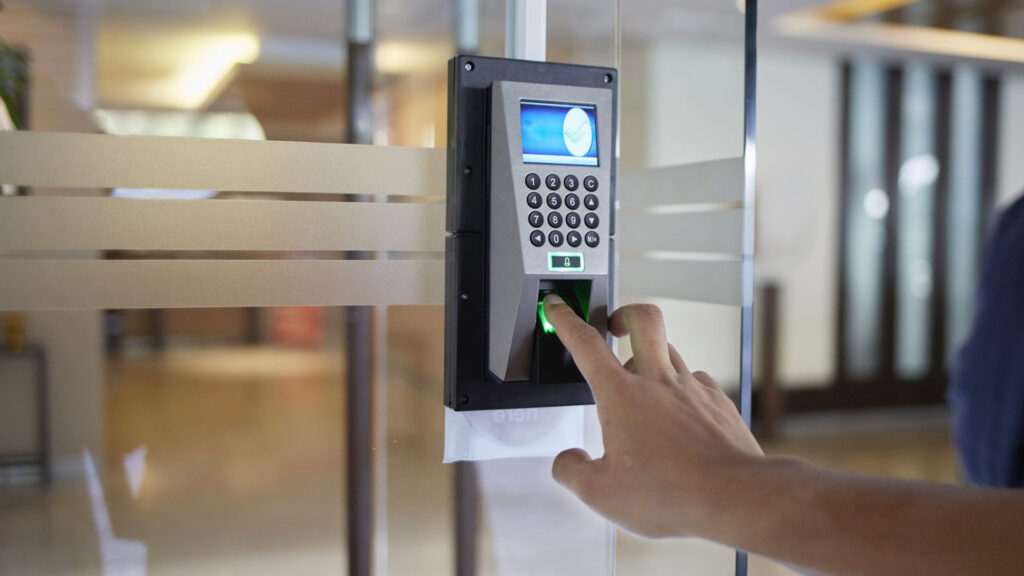
Security is a top priority for businesses, organizations, and residential communities across Qatar. Traditional locks and keys may provide basic protection, but they often lack the control, monitoring, and flexibility required in modern environments. This is why many businesses are investing in an Access Control System in Qatar to enhance security and manage entry to their facilities more effectively.
An access control system allows organizations to control who can enter specific areas, when they can enter, and how access is granted. Whether it’s an office, warehouse, hotel, hospital, educational institution, or residential building, access control systems provide a smarter and more secure way to protect people, assets, and sensitive information.
What Is an Access Control System?
An Access Control System in Qatar is a security solution that regulates and monitors access to buildings, rooms, departments, and restricted areas. Instead of relying on traditional keys, users are granted access through credentials such as:
- Access cards
- RFID cards
- Key fobs
- PIN codes
- Fingerprint recognition
- Facial recognition
- Mobile phone credentials
- Biometric authentication
The system verifies the user’s identity before allowing or denying access to a specific location.
How Does an Access Control System Work?
An access control system works by verifying credentials against predefined permissions stored within the system.
The process typically follows these steps:
Step 1: User Presents Credentials
The user scans a card, enters a PIN, uses a fingerprint, scans their face, or accesses the system through a mobile device.
Step 2: Verification Process
The access control software checks whether the credential belongs to an authorized user and verifies their access permissions.
Step 3: Access Decision
If the user has permission, the system unlocks the door or gate. If authorization is not granted, access is denied.
Step 4: Activity Recording
Every access attempt is logged and stored within the system. Administrators can review reports, monitor activity, and track movement throughout the facility.
This process happens within seconds, providing both convenience and security.
Main Components of an Access Control System
A professional Access Control System in Qatar consists of several essential components working together.
Access Readers
These devices read user credentials such as cards, fingerprints, facial recognition data, or mobile credentials.
Access Cards or Credentials
Users receive credentials that identify them within the system.
Door Controllers
Controllers process access requests and determine whether entry should be granted or denied.
Electronic Locks
Electronic locking mechanisms secure doors and automatically unlock when valid authorization is received.
Access Control Software
The software allows administrators to manage users, permissions, schedules, reports, and security settings.
Management Dashboard
Centralized management platforms enable security teams to monitor multiple doors, buildings, and locations from a single interface.
Types of Access Control Systems
Different organizations have different security requirements. Common access control solutions include:
Card Access Systems
Employees use RFID or smart cards to gain access to authorized areas.
Biometric Access Control
Access is granted through fingerprint recognition, facial recognition, iris scanning, or other biometric technologies.
PIN-Based Systems
Users enter a unique PIN code to unlock doors and secure areas.
Mobile Access Systems
Employees use smartphones or mobile applications instead of physical cards.
Multi-Factor Authentication
For higher security environments, access may require a combination of cards, PINs, and biometric verification.
Benefits of Access Control Systems
Improved Security
An Access Control System in Qatar helps prevent unauthorized access to restricted areas, protecting people, assets, and confidential information.
Better Access Management
Administrators can control who enters specific locations and adjust permissions instantly when required.
Activity Monitoring
The system records every entry and exit, allowing businesses to maintain detailed security logs.
Reduced Dependence on Physical Keys
Traditional keys can be lost, stolen, or duplicated. Access control systems eliminate many of these risks.
Increased Employee Safety
Controlling access to sensitive areas helps create a safer environment for employees and visitors.
Easy Permission Management
Access rights can be granted, modified, or revoked immediately without changing physical locks.
Enhanced Operational Efficiency
Automated access management reduces administrative workload while improving security oversight.
Access Control System in Qatar for Every Industry
Corporate Offices
Businesses use access control systems to secure offices, meeting rooms, executive areas, data rooms, and restricted departments while monitoring employee access activities.
Healthcare Facilities
Hospitals and clinics require controlled access to laboratories, pharmacies, patient records, medical storage areas, and sensitive departments.
Educational Institutions
Schools, colleges, and universities use access control systems to manage access to classrooms, laboratories, libraries, administrative offices, and staff-only areas.
Hotels & Hospitality
Hotels utilize access control systems for guest rooms, staff facilities, service areas, and management offices to improve both security and operational efficiency.
Warehouses & Industrial Facilities
Industrial facilities secure production areas, inventory storage zones, loading docks, and restricted operational departments using advanced access control solutions.
Retail Stores
Retail businesses use access control systems to secure stockrooms, management offices, cash handling areas, and employee-only sections.
Residential Communities
Apartment buildings and gated communities implement access control systems to manage visitor entry and improve resident safety.
Can Access Control Systems Be Integrated with Other Security Systems?
Yes. One of the biggest advantages of modern access control technology is its ability to integrate with other security solutions.
An Access Control System in Qatar can work alongside:
- CCTV surveillance systems
- Video management systems
- Intruder alarm systems
- Visitor management systems
- Attendance management software
- Building management systems (BMS)
- Intercom systems
These integrations provide greater visibility and improved overall security management.
Why Businesses in Qatar Are Investing in Access Control Systems
As businesses continue to grow and security requirements become more complex, organizations need smarter ways to manage access and protect their facilities.
Modern access control systems provide:
- Enhanced security
- Better monitoring
- Simplified access management
- Improved compliance
- Reduced security risks
- Scalable solutions for future growth
This makes access control one of the most valuable security investments for businesses across Qatar.
Conclusion
An Access Control System in Qatar provides organizations with a reliable and efficient way to manage access, improve security, and protect valuable assets. By replacing traditional keys with advanced authentication methods such as cards, biometrics, and mobile credentials, businesses can gain greater control over who enters their facilities and when.
Whether you’re managing an office, hospital, warehouse, hotel, school, retail store, or residential community, a professionally designed access control system can help create a safer, smarter, and more secure environment.
Contact WeFour Connect
Looking for a reliable Access Control System in Qatar?
WeFour Connect provides professional access control solutions for offices, warehouses, hotels, hospitals, educational institutions, residential communities, and commercial facilities across Qatar.
📍 Doha, Qatar
📞 +974 3146 4818 | +974 3146 4718
📧 info@wefourconnect.com